Most SEO (Search Engine Optimization) experts believe there are in excess of 200 ranking factors that Google takes into consideration when determining where your site will rank. While Google's exact ranking algorithm remains a closely guarded secret, SEO experts have identified numerous factors that influence how websites perform in search results. This article explains 10 key categories of Google's ranking criteria, breaking down 60 specific factors that can impact your site's visibility. From content quality and user experience to technical SEO elements and social signals, we'll discuss some of the items that can give you quick wins in your SEO efforts. Whether you're a seasoned digital marketer or just starting your SEO journey, this article will provide valuable insights to help you optimize your website and improve your search engine rankings. Let's get started:
1. Content quality and relevance
- Keyword usage and density: Proper use of relevant keywords throughout content, maintaining a natural balance without overstuffing. Learn more!
- Content length and depth: Comprehensive coverage of topics, typically with longer content performing better for complex subjects.
- Freshness and regular updates: Keeping content current and periodically updating it to reflect the latest information.
- Originality and uniqueness: Creating original content that offers unique insights or perspectives not found elsewhere.
- Readability and formatting: Well-structured content with clear headings, short paragraphs, and easy-to-read language.
- Multimedia integration: Incorporating relevant images, videos, or infographics to enhance user engagement and understanding.
2. User experience (UX)
- Page load speed: Fast-loading pages improve user experience and are favored by search engines, so it's important to avoid problematic design choices like hero sliders that can significantly impact page speed. Pro tip: save your images using the WEBP format, not JPG. Learn more!
- Mobile-friendliness: Sites optimized for mobile devices rank better in mobile search results.
- Responsive design: Websites that adapt to different screen sizes provide a better user experience across devices.
- Intuitive navigation: Clear, logical site structure that allows users to find information easily.
- HTTPS security: Secure websites using HTTPS protocol are given preference in rankings.
- Core Web Vitals: Google's metrics for user experience, including Largest Contentful Paint (LCP), Interaction to Next Paint (INP), and Cumulative Layout Shift (CLS). Learn more!
3. Backlink profile
- Number of quality backlinks: Links from reputable, authoritative sites signal content value to search engines. Learn more!
- Diversity of linking domains: A variety of different sites linking to your content indicates widespread appeal.
- Relevance of linking sites: Links from sites in similar or related industries carry more weight.
- Anchor text distribution: A natural mix of branded, keyword-rich, and generic anchor texts in backlinks.
- Dofollow vs. nofollow ratio: A balance between followed and nofollowed links suggests a natural link profile.
- Natural link velocity: Steady, organic growth in backlinks over time, rather than sudden spikes. (This is an important one!)
4. Technical SEO elements
- XML sitemap: A file that lists all important pages, helping search engines crawl your site efficiently.
- Robots.txt optimization: Properly configured file to guide search engines on which parts of your site to crawl or ignore.
- Canonical tags: Tags that indicate the preferred version of a page when similar content exists on multiple URLs.
- Structured data markup: Code that helps search engines understand the content and context of web pages.
- Crawlability and indexability: Ensuring search engines can easily access and index all important pages on your site.
- URL structure and parameters: Clean, descriptive URLs that are easy for both users and search engines to understand.
5. On-page optimization
- Title tags and meta descriptions: Optimized, keyword-rich titles and compelling meta descriptions for better click-through rates.
- Header tags: Proper use of H1, H2, etc., to structure content and signal importance to search engines. (Pro tip: Use them in order.)
- Image alt text: Descriptive text for images, improving accessibility and providing context for search engines.
- Internal linking: Strategic links between related pages on your site to distribute page authority and guide users. Learn more!
- URL optimization: Creating SEO-friendly URLs that include relevant keywords and are easy to read.
- Schema markup: Structured data that provides additional context about your content to search engines.
6. Site structure and internal linking
- Logical site hierarchy: Organizing content in a way that makes sense to both users and search engines.
- Breadcrumb navigation: Showing users their location within your site's hierarchy and improving internal linking.
- Flat site architecture: Minimizing the number of clicks required to reach any page from the homepage.
- Internal link relevance: Ensuring internal links connect topically related pages to reinforce relevance.
- Link depth: Keeping important pages within a few clicks from the homepage for better crawling and user access.
- Proper use of categories and tags: Organizing content effectively to improve site structure and user navigation.
7. User engagement metrics
- Click-through rate (CTR): The percentage of users who click on your search result, indicating relevance and appeal.
- Time on site: The duration users spend on your site, suggesting content quality and engagement. This is sometimes referred to as 'dwell time'.
- Bounce rate: The percentage of single-page sessions, with a lower rate generally indicating better engagement.
- Pages per session: The number of pages viewed in a single session, suggesting content quality and site structure.
- Return visitor rate: The percentage of users who come back to your site, indicating value and loyalty.
- Social shares and comments: User interactions that signal content quality and engagement to search engines.
8. Domain authority and age
- Domain age: Older domains may be viewed as more trustworthy, though this factor's importance is debated.
- Domain registration length: Longer registration periods might signal long-term commitment and legitimacy.
- Brand mentions and citations: Online references to your brand, even without links, can boost authority.
- Author expertise (E-E-A-T): Demonstrating experience, expertise, authoritativeness, and trustworthiness in your content and authors. Learn more!
- Industry authority: Establishing your site as a go-to resource in your niche or industry.
- Topical relevance: Consistently producing content related to your core topics to build topical authority.
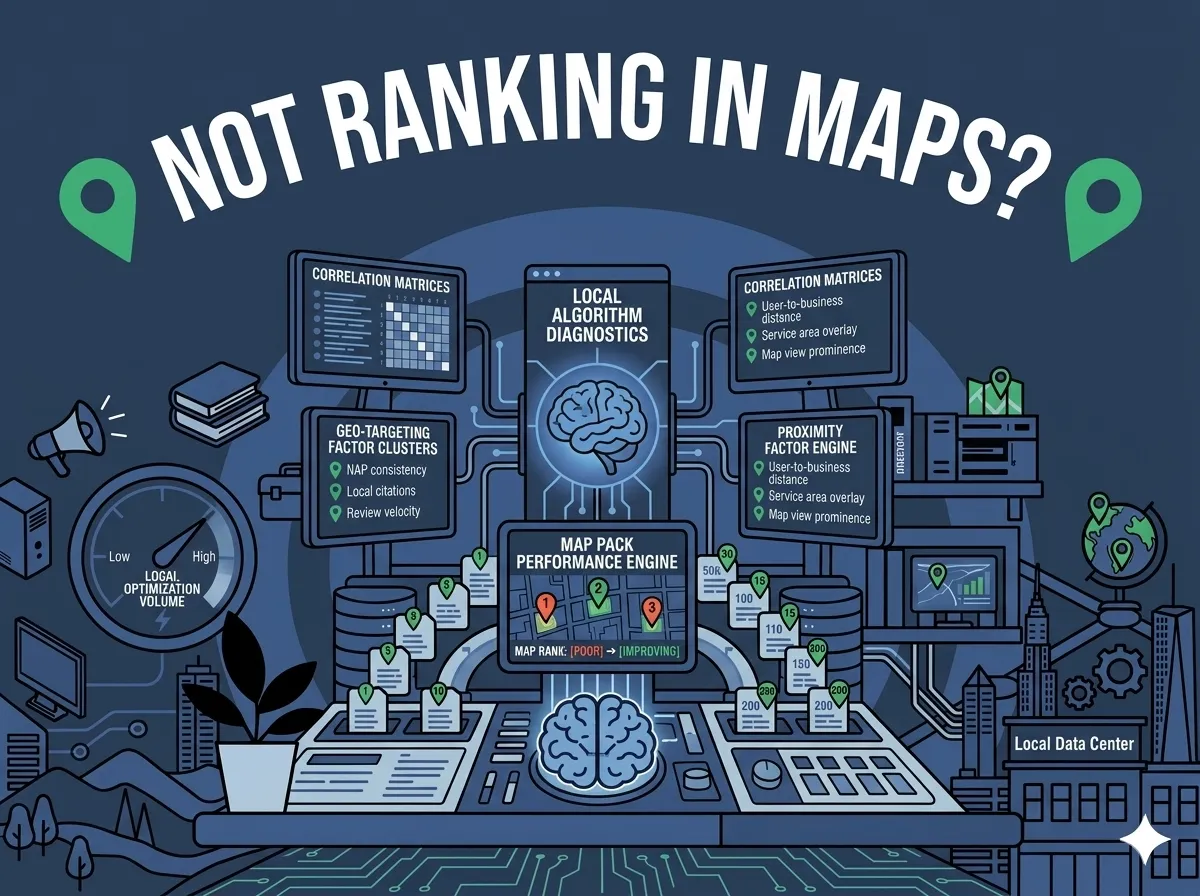
9. Local SEO factors
- Google My Business optimization: Fully completing and regularly updating your GMB profile for better local visibility.
- Local citations and NAP consistency: Ensuring your business name, address, and phone number (NAP) are consistent across the web.
- Reviews and ratings: Positive reviews and high ratings can improve local search visibility and click-through rates.
- Proximity to searcher: Physical distance between the searcher and your business location affects local rankings.
- Local content relevance: Creating content specific to your local area or addressing local issues and topics.
- Local backlinks: Obtaining links from other local businesses or organizations to boost local authority.
10. Social signals
- Social media presence and activity: Maintaining active, engaged social media profiles for your brand or website. Learn more!
- Social sharing of content: The number of times your content is shared on social platforms, indicating popularity.
- Social engagement: Likes, comments, and other interactions on social media that show audience interest.
- Influencer mentions: References or shares from industry influencers that can boost visibility and credibility.
- Brand hashtag usage: Creating and promoting branded hashtags to increase social visibility and engagement.
- Social profile optimization: Ensuring your social profiles are complete, consistent, and linked to your website.
Remember that while these factors are generally considered very important, Google's algorithm is complex and constantly evolving. The relative importance of each factor can vary depending on the specific query and context. If you'd like more information on any particular aspect, shoot me an email. And of course, if you want to leave it to the experts, we're here to help, just get in touch!