When was the last time you scrolled to page two of Google search results?
If you're like most people, the answer is "never" or "rarely." But here's what's even more interesting: users are increasingly not even clicking on page one results. Instead, they're getting their answers directly from AI-powered search engines, voice assistants, and Google's AI Overviews.
This shift represents the biggest change in search behavior since Google launched over two decades ago. As an SEO agency that's been serving businesses since 2007, we've watched search evolve from simple keyword matching to sophisticated AI-driven answer engines. That's why we've been optimizing for what's called Generative Engine Optimization (GEO) – and our clients are already seeing the benefits.
What Exactly is Generative Engine Optimization?
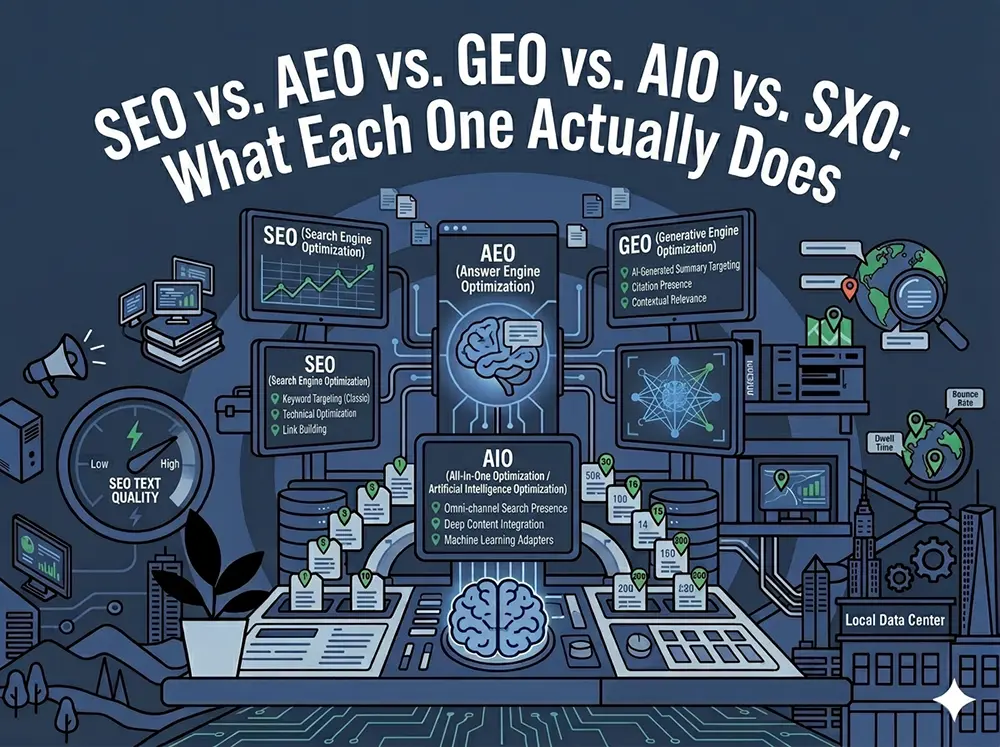
Generative Engine Optimization (GEO) – sometimes referred to as Answer Engine Optimization (AEO) – is the next evolution of search marketing. Instead of focusing solely on ranking high in traditional search results, GEO ensures your content becomes the authoritative source that AI systems use to answer user questions directly.
Think about your own search behavior. When you ask Siri a question while driving, you expect a direct answer, not a list of links. When you use ChatGPT to research a business decision, you want comprehensive information synthesized from multiple sources. When Google shows an AI Overview at the top of search results, you often get your answer without ever clicking a website.
This is the new reality of search – and it's not coming in the future. It's here now.
Why Traditional SEO Isn't Enough Anymore
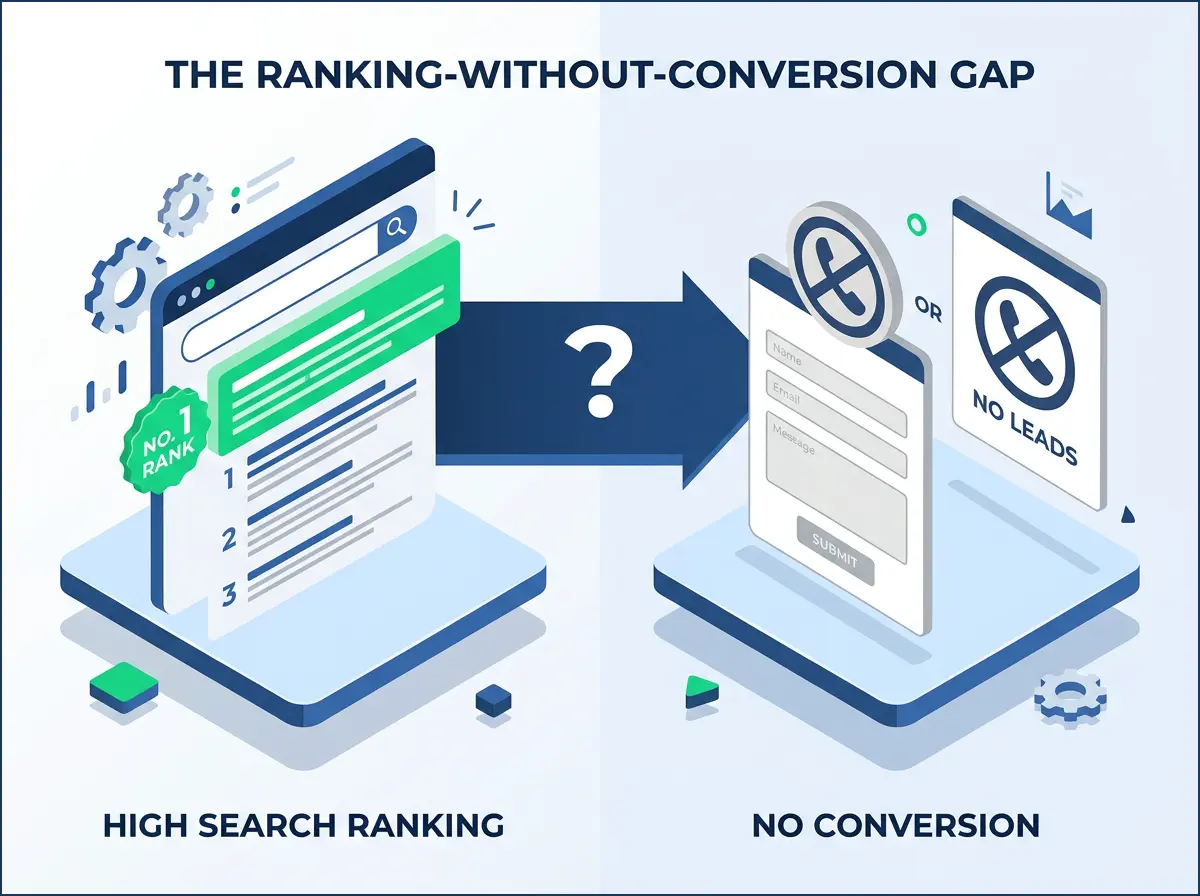
Traditional SEO has served businesses well for decades. The formula was straightforward: optimize your content for specific keywords, build quality backlinks, fix technical issues, and wait for higher rankings to drive more website traffic.
But user behavior has fundamentally changed. According to recent studies:
- Voice searches now account for over 50% of adult searches
- Google's AI Overviews appear for 84% of queries
- ChatGPT processes over 100 million weekly active users
Your potential customers are asking questions and getting answers without ever visiting websites. If your business isn't positioned as the source for these AI-generated answers, you're essentially invisible in the new search landscape.
SEO vs GEO: Understanding the Key Differences
To understand why GEO matters, let's examine how it differs from traditional SEO approaches:
(On mobile? Scroll right to see all of table → )
| Aspect | SEO (Search Engine Optimization) | GEO (Generative Engine Optimization) |
|---|---|---|
| Primary Goal | Rank high in search results pages | Be the source of AI-generated answers |
| User Behavior | Users click through to websites | Users get direct answers without clicking |
| Content Focus | Keywords, backlinks, technical optimization | Conversational, structured answers to specific questions |
| Search Interface | Traditional search results pages | AI chat, voice assistants, AI Overviews |
| Success Metric | Rankings, clicks, organic traffic | Answer citations, brand authority in AI responses |
| Content Strategy | Broad topic coverage, keyword targeting | FAQ-style content, direct question answering |
| Technology Focus | Search engine algorithms | AI and machine learning systems |
| User Intent | Research and comparison shopping | Quick answers and immediate solutions |
As you can see from this comparison, while traditional SEO focuses on driving clicks to your website, GEO focuses on establishing your brand as the go-to source for information in your industry. Both are important, but GEO is becoming increasingly critical as search behavior shifts toward instant answers.
What This Means for Your Business
The implications are significant:
Brand Authority: When AI systems consistently cite your content as the source for answers in your industry, you build incredible brand authority. Imagine prospects hearing your company name every time they ask voice assistants about services like yours.
Competitive Advantage: Most businesses are still focused solely on traditional SEO. By implementing GEO strategies now, you can establish dominance before your competitors catch up.
Future-Proofing: As AI becomes more prevalent in search, businesses optimized for generative engines will maintain visibility while others struggle to adapt. Understanding SEO trends for 2026 shows just how rapidly this landscape is evolving.
Trust Building: Being the source of authoritative answers builds trust with prospects before they even visit your website. They're already familiar with your expertise when they finally contact you.
Practical GEO Strategies That Work
Based on our experience optimizing for GEO, here are the strategies that deliver results:
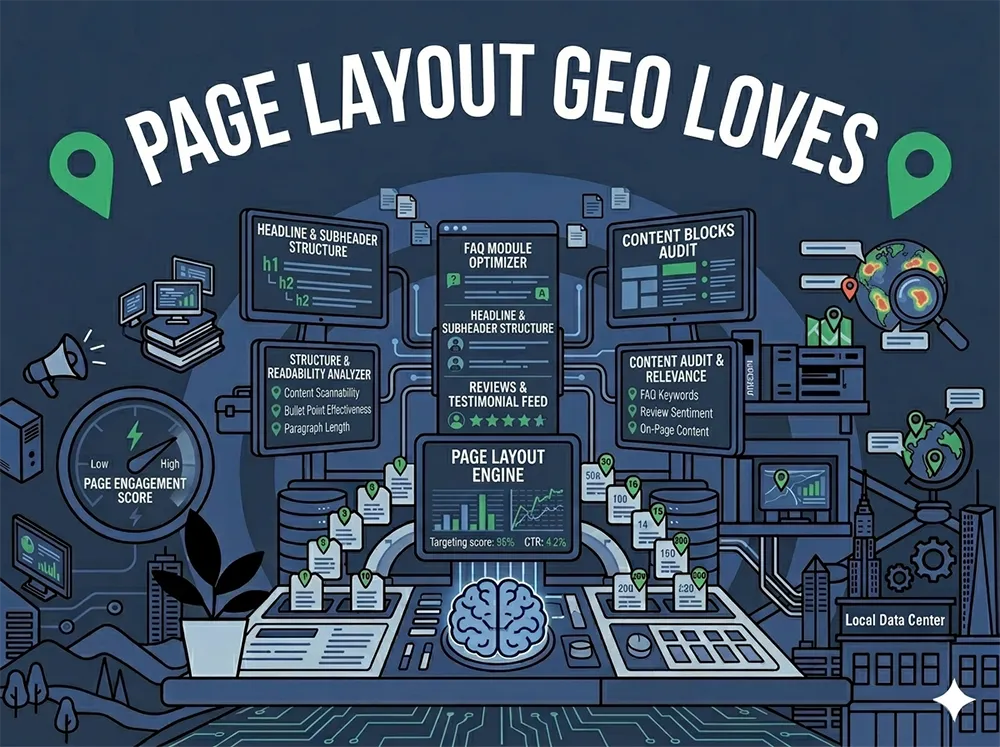
Create FAQ-Style Content: Instead of broad topic coverage, focus on answering specific questions your customers ask. Think "How much should I budget for SEO?" rather than "SEO strategies." FAQ sections are proven to boost search rankings and are particularly effective for AI optimization.
Use Structured Data: Help AI systems understand your content by implementing proper schema markup. This is especially important for local businesses.
Focus on Conversational Language: Optimize for how people actually speak and ask questions, not just how they type keywords into search boxes.
Develop Topic Authority: Become the definitive source on specific topics within your industry rather than trying to cover everything broadly.
Implement Content Chunking: Content chunking for AI search helps AI systems better understand and cite your content by breaking information into digestible, contextually relevant sections.
Monitor AI Citations: Track when and how AI systems reference your content. This data helps refine your GEO strategy over time.
The Results Speak for Themselves
Our clients who've embraced GEO are seeing remarkable results. Local service providers report increased brand recognition in their markets. Professional services firms are getting more qualified leads from prospects who already understand their expertise. Product-based businesses are being referenced as authorities in their niches.
Most importantly, they're building sustainable competitive advantages that will serve them well as AI continues reshaping search behavior.
Getting Started with GEO
The good news? You don't need to abandon traditional SEO to embrace GEO. The best approach combines both strategies, using traditional SEO to drive website traffic while implementing GEO to build brand authority in AI-powered search results.
Start by auditing your existing content. Does it answer specific questions your customers ask? Is it structured in a way that AI systems can easily understand and cite? Are you positioned as an authority on topics that matter to your prospects?
The businesses that adapt to this new search reality will thrive. Those that don't will find themselves increasingly invisible as users get their answers from AI-powered sources.
Ready to position your business as the authoritative source in your industry? Contact us to learn how GEO can transform your search marketing results.
Frequently Asked Questions About Generative Engine Optimization
What's the difference between GEO and traditional SEO?
Traditional SEO focuses on ranking your website high in search results to drive traffic. GEO (Generative Engine Optimization) focuses on making your content the source that AI systems use to answer questions directly. While SEO aims for clicks, GEO aims for citations and brand authority in AI responses.
How long does it take to see results from GEO optimization?
GEO results can appear faster than traditional SEO in some cases. Since AI systems continuously crawl and analyze content, properly structured answers can start appearing in AI responses within weeks. However, building consistent authority across multiple AI platforms typically takes 3-6 months of focused effort.
Do I need to abandon my current SEO strategy to implement GEO?
No, GEO complements traditional SEO rather than replacing it. The best approach combines both strategies: use traditional SEO to drive website traffic while implementing GEO to build brand authority in AI-powered search results. Many GEO techniques actually improve your traditional SEO as well.
What types of content work best for GEO optimization?
FAQ-style content, step-by-step guides, and direct answers to specific questions perform best for GEO. Content that addresses "how," "what," "why," and "when" questions in clear, conversational language gets cited most frequently by AI systems. Lists, comparisons, and structured explanations also perform well.
How do I know if my GEO efforts are working?
Monitor AI citations by searching for topics in your industry across different AI platforms (ChatGPT, Google AI Overviews, voice assistants). Track when your brand or content gets mentioned as a source. You can also use tools like Brand monitoring software to track mentions across AI platforms, though this field is still developing.