A well built local landing page already contains most of what AI engines look for when they decide which businesses to cite (recommend). That is not an accident, and it is not luck. ChatGPT, Perplexity, Google AI Overviews, and Copilot pull from the same web index that traditional search does, so the page structure that has earned local rankings for years is the same structure that earns AI citations today. The difference is that AI engines are pickier about a handful of elements most local pages still get wrong.
In this post I’ll walk through the complete blueprint: the proven layout that satisfies both Google and AI search, and then the five elements that standard layout is missing; the ones that decide whether an AI engine actually cites your business or quietly skips you.
Why does the same page structure work for Google and AI search?
Because AI answer engines are built on top of search indexes, not beside them. When someone asks ChatGPT or Perplexity to recommend a plumber in Pasadena, the engine retrieves candidate pages from a web index, reads them, and assembles an answer from the pages it can parse and trust. A page that is well structured for Google’s crawler is, by definition, well structured for that retrieval step. Generative Engine Optimization doesn’t replace foundational SEO; it raises the stakes on doing it properly.
The practical consequence: you don’t need a separate “AI page.” You need one page that is extractable, entity-rich, and trustworthy, and then a few additions that answer engines specifically reward.
How should you structure the URL, title, and headings?
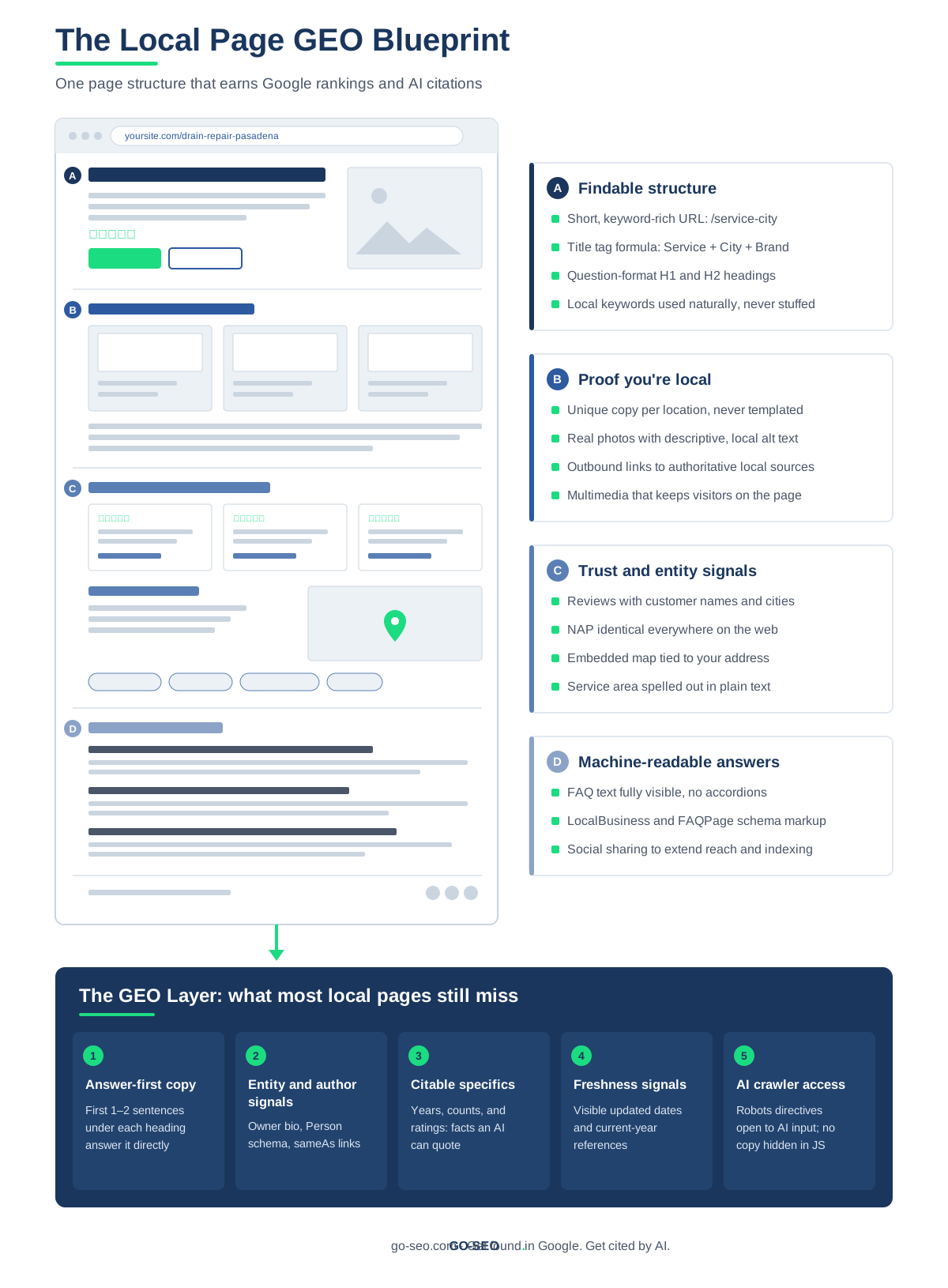
The URL, title tag, and heading hierarchy are the first three things both crawlers and AI retrieval systems read, and all three should name the service and the location in plain language.
Keep the URL short and keyword-rich. A URL like yoursite.com/drain-repair-pasadena tells the engine what the page is before it reads a word of copy. Skip dates, ID numbers, and category folders that add nothing.
Write a location-specific title tag. The formula that keeps working is Service + City + Brand: “Drain Repair in Pasadena | Smith Plumbing.” The primary keyword belongs in the title naturally, not stuffed; if you want a refresher on how search engines weigh keyword placement, I covered it in keyword density, prominence, and proximity.
Use real heading tags, and phrase them as questions where it makes sense. Wrap your titles and subtitles in H1 and H2 tags with local keywords included. Then go one step further than the standard advice: phrase headings the way customers actually ask. “How fast can you respond to a burst pipe in Pasadena?” is a heading an AI engine can match directly to a user’s question. A vague heading like “Our Commitment” matches nothing.
Which trust signals do AI engines actually read?
AI engines are cautious recommenders. Before an answer engine puts your business name in front of a user, it looks for evidence that you are a real, established, local operation. Four elements on the page carry most of that weight.
Reviews and testimonials with names and cities. “Maria R., Pasadena” attached to a review is a local relevance signal; an anonymous five-star quote is decoration. Feature reviews from customers in the city the page targets.
NAP consistency. Your name, address, and phone number must match exactly across your website, Google Business Profile, and directory listings. Inconsistent NAP data is one of the fastest ways to make an engine unsure which entity you are, and unsure engines don’t cite.
A visible address and an embedded map. The map embed reinforces the geographic entity connection and improves user experience, which feeds back into engagement signals.
Service area coverage, spelled out. If you serve Pasadena, Glendale, and Burbank, say so in plain text. AI engines answer “near me” style questions by matching stated service areas, not by guessing.
Quick test: paste your location page into any AI chatbot and ask “What business is this, where is it located, and what does it do?” If the answer is vague or wrong, a real answer engine is having the same trouble.
What makes the page machine-readable?
Everything above helps an engine trust you. This group helps an engine parse you, and parsing failures are silent; you never get an error report, you just don’t appear.
FAQ content in visible HTML, not accordions. This one matters more than almost anyone realizes. JavaScript-revealed accordion content is parsed less reliably by AI crawlers than plain visible text. If your location-specific questions and answers are hidden behind click-to-expand panels, you are gambling that every crawler executes your JavaScript. Put the full Q&A text on the page.
LocalBusiness schema markup. Structured data is how you state your business name, address, hours, and service area in a format machines read without ambiguity. Google publishes the full specification in its LocalBusiness structured data documentation.
Descriptive alt text with local relevance. “Smith Plumbing technician repairing a water heater in a Pasadena home” tells an engine what the image shows and where. “IMG_4502” tells it nothing.
Unique copy per location. If you operate location pages for multiple cities, never copy-paste the same text with the city name swapped. Engines detect templated copy, and templated copy reads as thin content to Google and as low-confidence source material to AI.
Outbound links to authoritative sources. Linking to your city’s permit office, a state licensing board, or a recognized industry body signals that your page lives in a real informational neighborhood.
Multimedia that earns its place. Original photos, short videos, and diagrams reduce bounce and give engines more local context to index. Stock photos do neither.
What is this layout still missing for GEO?
Here is the honest assessment: the blueprint above covers roughly 80 percent of what AI engines need. The remaining 20 percent is where citations are won or lost, and it is the part almost no standard local SEO checklist includes.
1. Answer-first copy under every heading
Knowing where the content goes is not the same as knowing how to write it. AI engines extract the first one or two sentences under a heading and use them as the answer. So the first sentence under “How fast can you respond to a burst pipe in Pasadena?” should be the answer: “We dispatch a licensed plumber to Pasadena addresses within 60 minutes, 24 hours a day.” Background, qualifications, and storytelling come after the answer, never before it.
2. Entity and author signals
AI engines weigh who is behind a business, not just what the page says. A short “about the owner” block with the owner’s name, credentials, and years in the trade, backed by Person schema and sameAs links to LinkedIn and other verified profiles, tells engines exactly which human entity stands behind the business. Without it, engines guess, and engines guess wrong; I’ve seen it happen firsthand, and untangling a misclassified entity takes far longer than preventing one.
3. Citable specifics
AI answers quote numbers, not adjectives. “Serving Pasadena since 2009, with more than 4,000 completed service calls and a 4.9 average across 312 reviews” gives an engine three concrete facts it can repeat. “Trusted local experts” gives it nothing to cite. Audit your page for sentences a machine could quote verbatim; if there aren’t any, add them.
4. Freshness signals
A visible “last updated” date, current-year references, and periodically refreshed copy tell engines the information is still true. Stale pages get discounted in retrieval even when the underlying business hasn’t changed.
5. AI crawler access
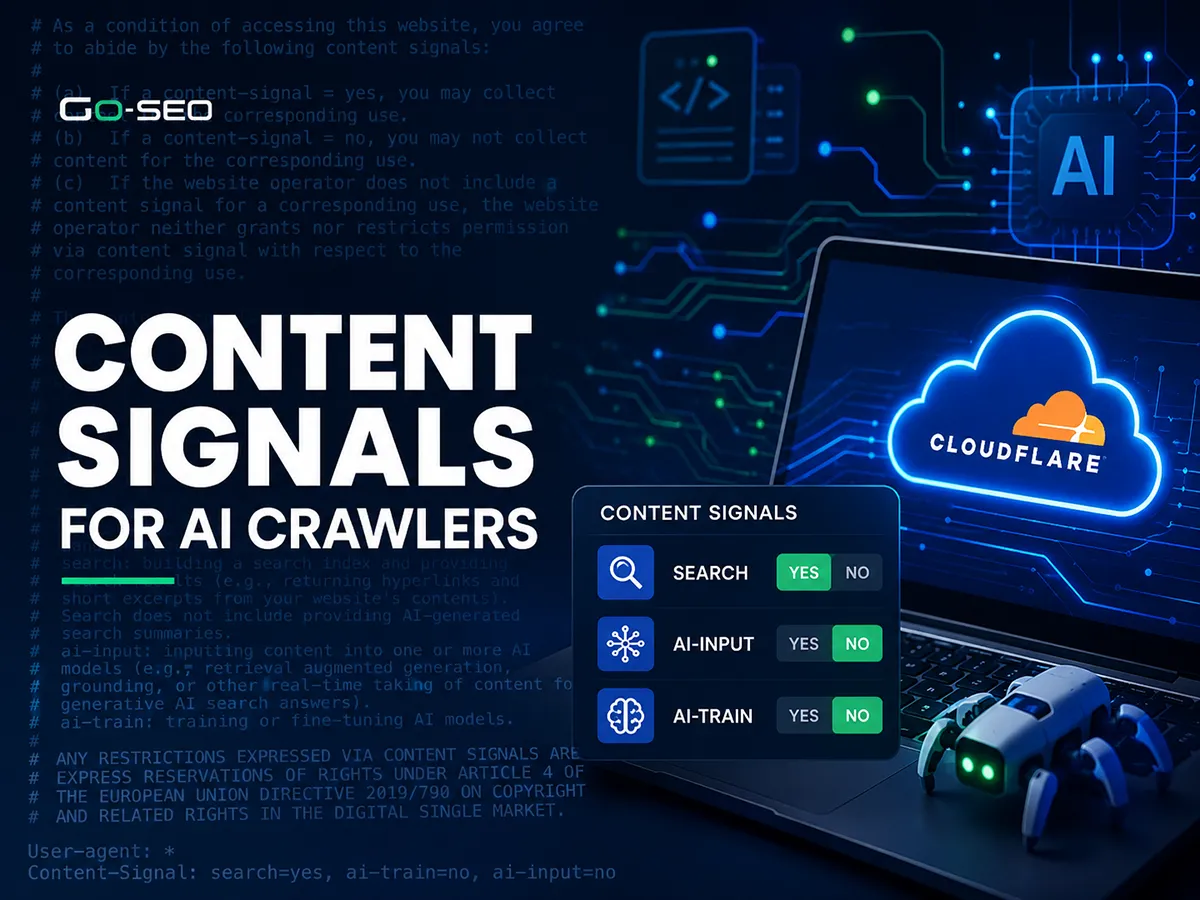
None of this matters if AI crawlers can’t reach the page. Check that your robots directives allow AI systems to use your content as input for answers, and confirm your copy isn’t rendered into invisibility by JavaScript. This is exactly the kind of thing a proper technical audit catches before it costs you months of invisibility.
Is a location page the same as a homepage?
For a single-location business, effectively yes: your homepage is your location page, and this entire blueprint applies to it directly. For multi-location or service-area businesses, keep them separate. The homepage carries the brand entity; each location page carries one geographic entity. Blending them dilutes both, and entity dilution is precisely what confuses AI engines about who you are and where you operate.
How do you know whether AI engines are citing your page?
Measure it the same way you’d measure rankings: baseline first, then track. Ask ChatGPT, Perplexity, and Google’s AI features the questions your customers ask and note whether your business appears. Tools that track share of voice across AI platforms make this systematic; I run baseline measurements for clients before publishing optimized pages so the before-and-after is unambiguous. Pair that with Google Search Console to watch how the same page performs in traditional results, because a page built on this blueprint should climb in both.
Want to know if AI engines can find you? I run the baseline measurement, fix what’s blocking you, and track your share of voice across ChatGPT, Perplexity, and Google AI Overviews. Call 800-419-3730 or get in touch; I answer my own phone.
Frequently Asked Questions
Do I need a separate location page if I only serve one city?
No. If you operate in a single city, your homepage should function as your location page and include every element in this blueprint: location-specific title, NAP, map, service area, visible FAQs, and LocalBusiness schema. Separate location pages only make sense when you serve multiple distinct cities or regions.
Do FAQ accordions hurt my chances of being cited by AI?
They can. Content revealed by JavaScript is parsed less reliably by AI crawlers than plain visible HTML. Displaying your full questions and answers as visible text removes the risk entirely, which is why I recommend full-display FAQ sections over accordions for any page targeting AI visibility.
What schema markup does a local landing page need?
At minimum, LocalBusiness schema with your name, address, phone, hours, and service area, plus FAQPage schema matching the visible questions on the page. If the page names the owner or a key practitioner, add Person schema with sameAs links to verified profiles so engines connect the business to the right human entity.
How long does it take for AI engines to start citing a page?
It varies by platform. Google’s AI features can reflect changes within days to a few weeks of recrawling, while chat-based engines that rely on periodic index updates can take one to three months. Capture a baseline measurement before publishing so you can attribute the change to the work.